Krishna Janmashtami 2026 will be celebrated on Friday, September 4, 2026. The festival marks the birth of Lord Krishna and is celebrated with fasting, midnight prayers, temple rituals, devotional music, special food and colourful regional traditions across India.
What makes Janmashtami special is that the festival does not look the same everywhere. From the midnight celebrations of Mathura and Vrindavan to Maharashtra’s Dahi Handi and Kerala’s unique Ashtami Rohini traditions, every region adds its own cultural identity to Krishna’s birthday.
Krishna Janmashtami 2026 Date
Date: Friday, September 4, 2026
Festival: Krishna Janmashtami
Dahi Handi: Saturday, September 5, 2026
The festival is associated with the eighth day (Ashtami) of Krishna Paksha. Krishna’s birth is traditionally believed to have taken place around midnight, which is why many devotees wait until the Nishita period for the main puja.
Since exact timings can vary by location, devotees should check a local Panchang for the precise Nishita Puja and fasting-breaking time.
Why Is Janmashtami Celebrated?
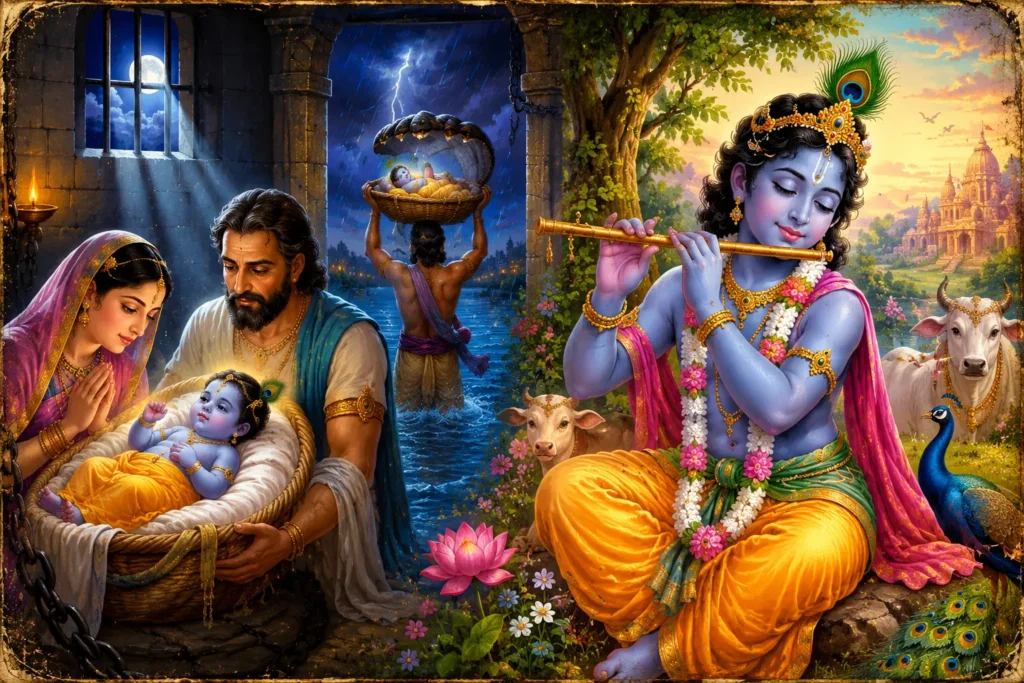
Janmashtami celebrates the birth of Lord Krishna. According to Hindu tradition, Krishna was born in Mathura to Devaki and Vasudeva, when the city was ruled by the cruel king Kansa.
Kansa was told that Devaki’s eighth child would one day be the reason for his downfall. Because of this, he kept Devaki and Vasudeva in prison.
When Krishna was born at midnight, Vasudeva secretly carried him across the Yamuna River to Gokul to keep him safe. Krishna was then raised by Nanda and Yashoda.
Today, people celebrate Janmashtami to remember Krishna’s birth and the message of hope, faith and the victory of good over evil.
Why Is Krishna’s Birth Celebrated at Midnight?
Midnight is considered the traditional birth moment of Krishna.
On Janmashtami evening, devotees may fast, sing bhajans, decorate Krishna’s cradle and prepare offerings. As midnight approaches, temples and homes become especially festive.
The celebration may include:
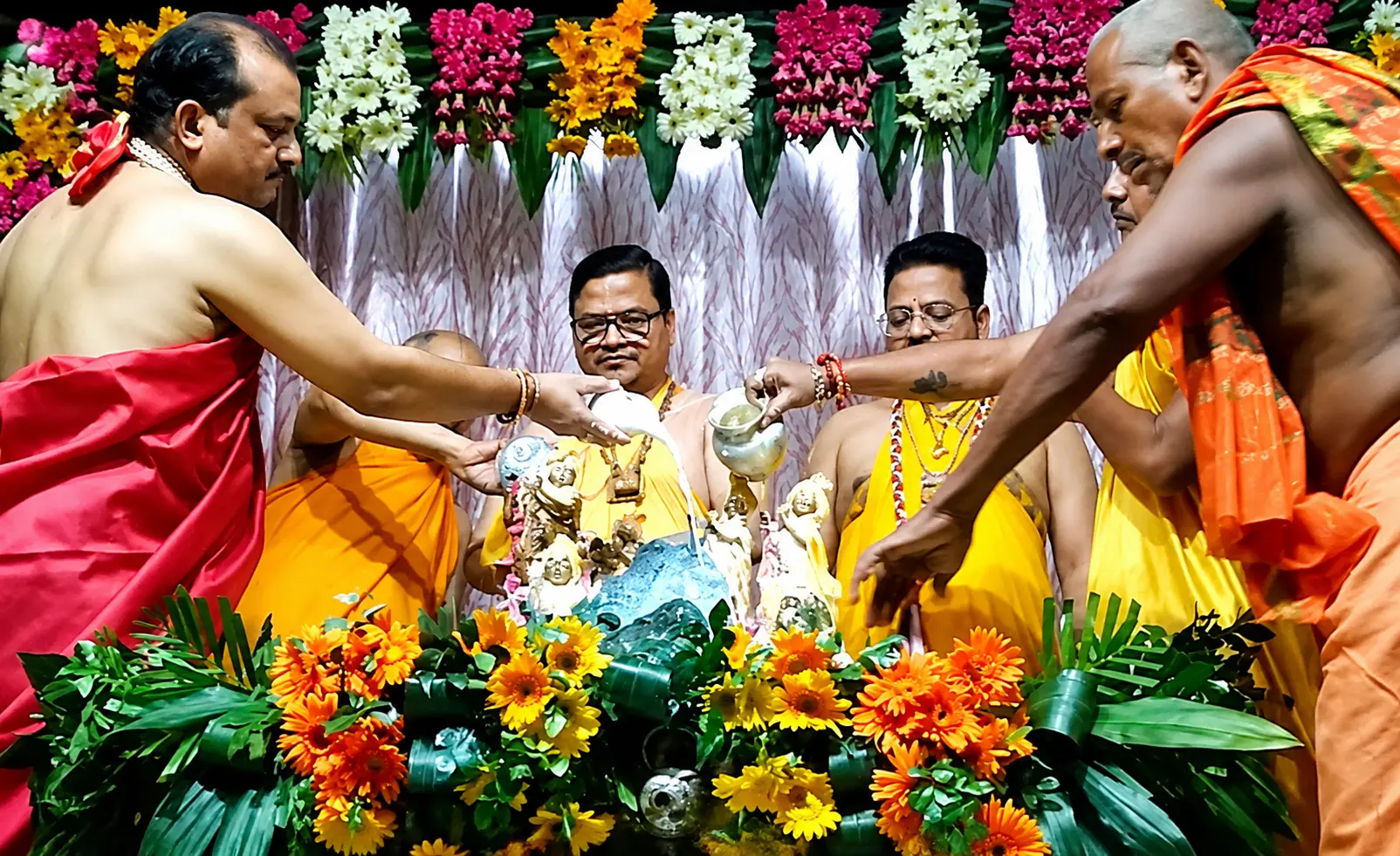
- Krishna idol abhishek
- Flowers and rangoli
- Decorated jhula or cradle
- Bhajans and kirtans
- Makhan-mishri offerings
- Midnight aarti
- Krishna’s ceremonial birth celebration
After the midnight rituals, devotees may break their fast according to their family or regional tradition.
How Janmashtami Is Celebrated Across India
Mathura & Vrindavan — The Heart of Krishna’s Story
Mathura is traditionally regarded as Krishna’s birthplace, while Gokul and Vrindavan are closely associated with his childhood.
During Janmashtami, temples are beautifully decorated and devotees gather for Krishna Leela, bhajans, special darshan, abhishek and midnight celebrations.
The Braj region is particularly known for bringing Krishna’s childhood stories to life through devotional performances and colourful temple traditions.
Maharashtra — The Energy of Dahi Handi
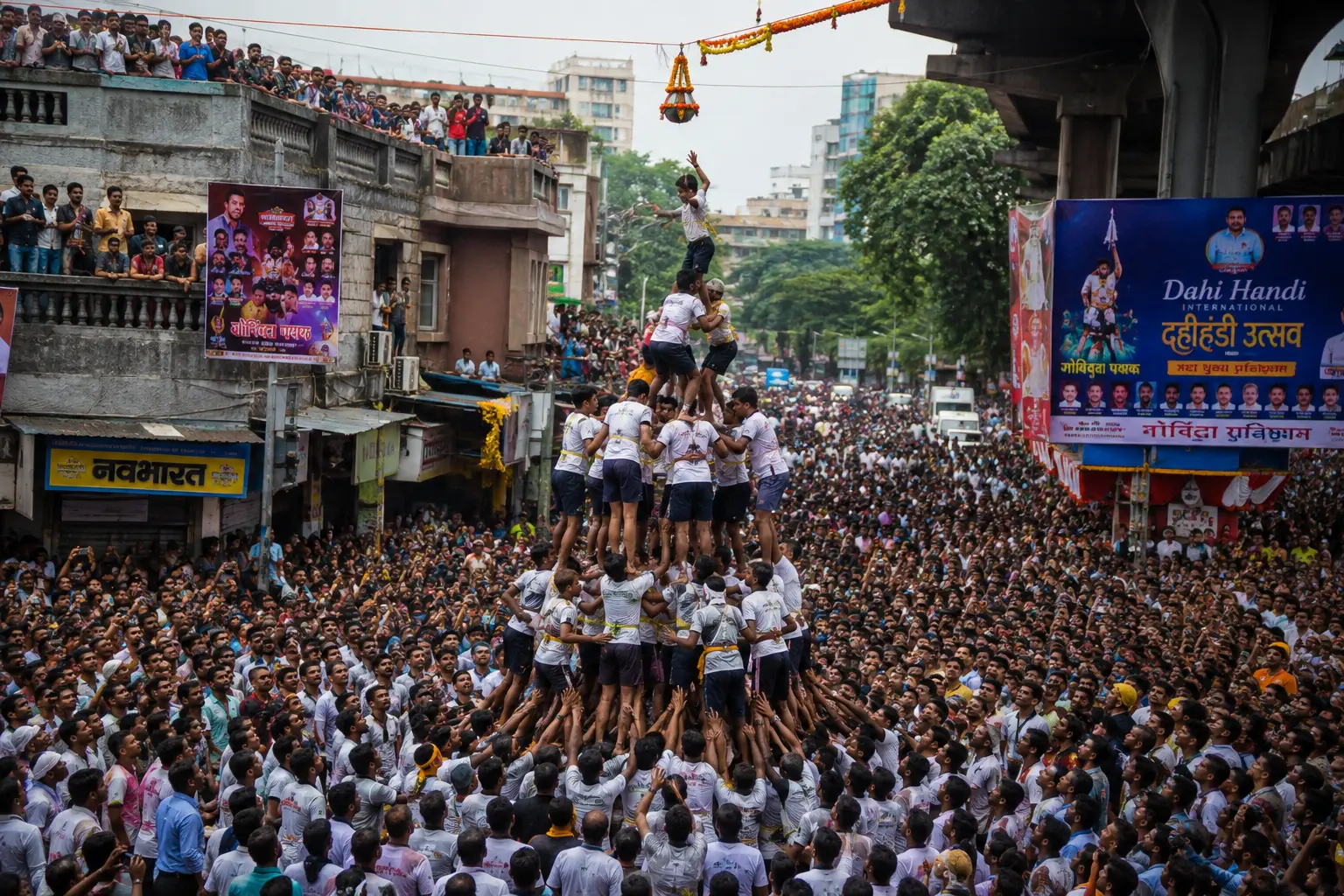
Maharashtra gives Janmashtami a completely different atmosphere with Dahi Handi.
The tradition is inspired by stories of young Krishna stealing butter and curd. A handi filled with curd is suspended high above the ground, and groups form human pyramids to break it.
Beyond the fun and excitement, Dahi Handi represents teamwork, coordination and community spirit.
In 2026, Dahi Handi celebrations will take place on September 5, following Janmashtami.
Gujarat — Krishna Bhakti, Bhog & Folk Celebrations
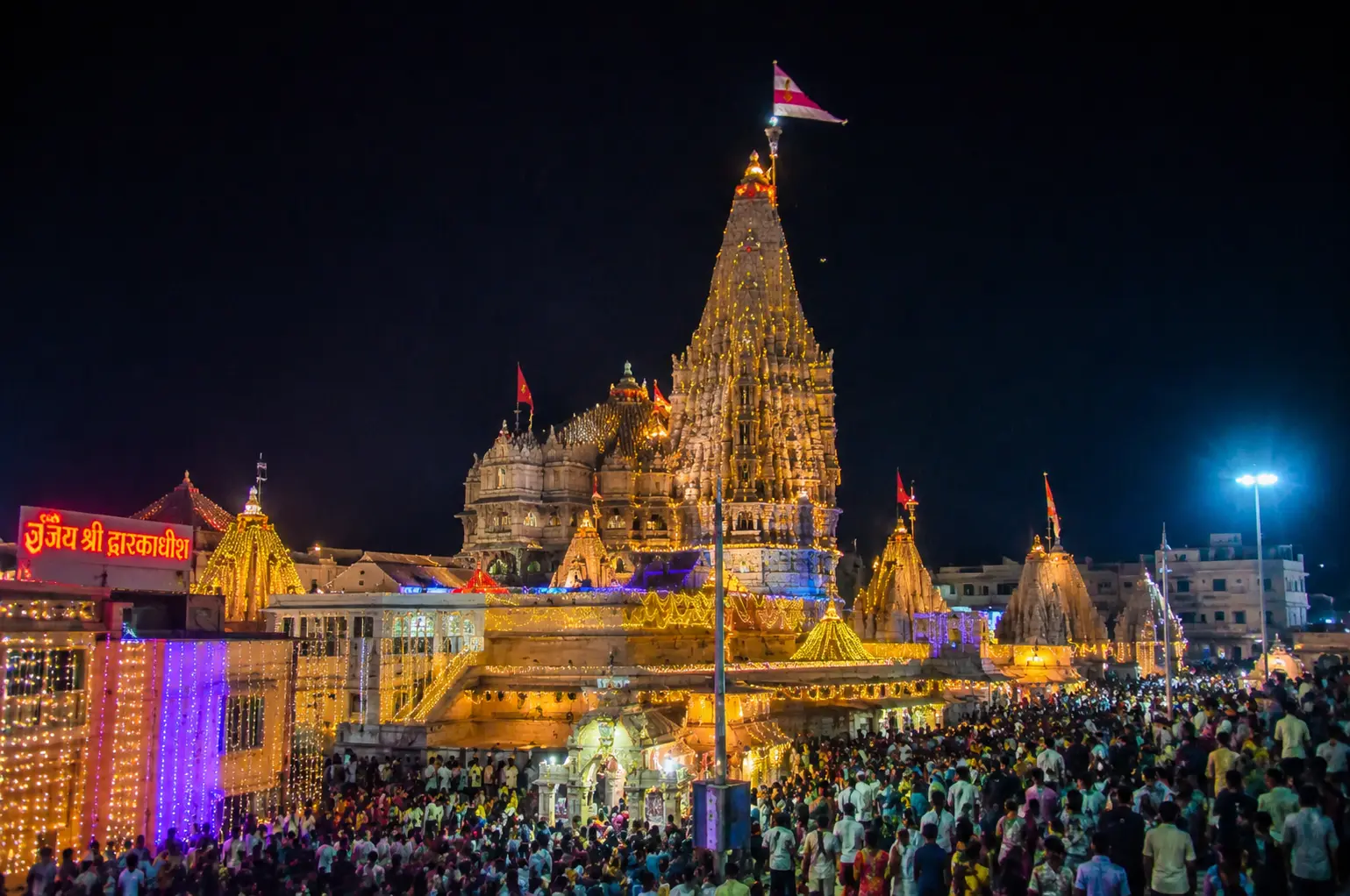
Gujarat has a strong connection with Krishna, particularly through Dwarka, which is traditionally associated with Krishna’s later life.
Janmashtami celebrations can include midnight puja, abhishek, bhajans, Chhappan Bhog, Dahi Handi and cultural performances.
At Shamlaji, the 2026 celebration includes temple rituals, Chhappan Bhog, bhajans, midnight worship and cultural activities.
Kerala — Ashtami Rohini
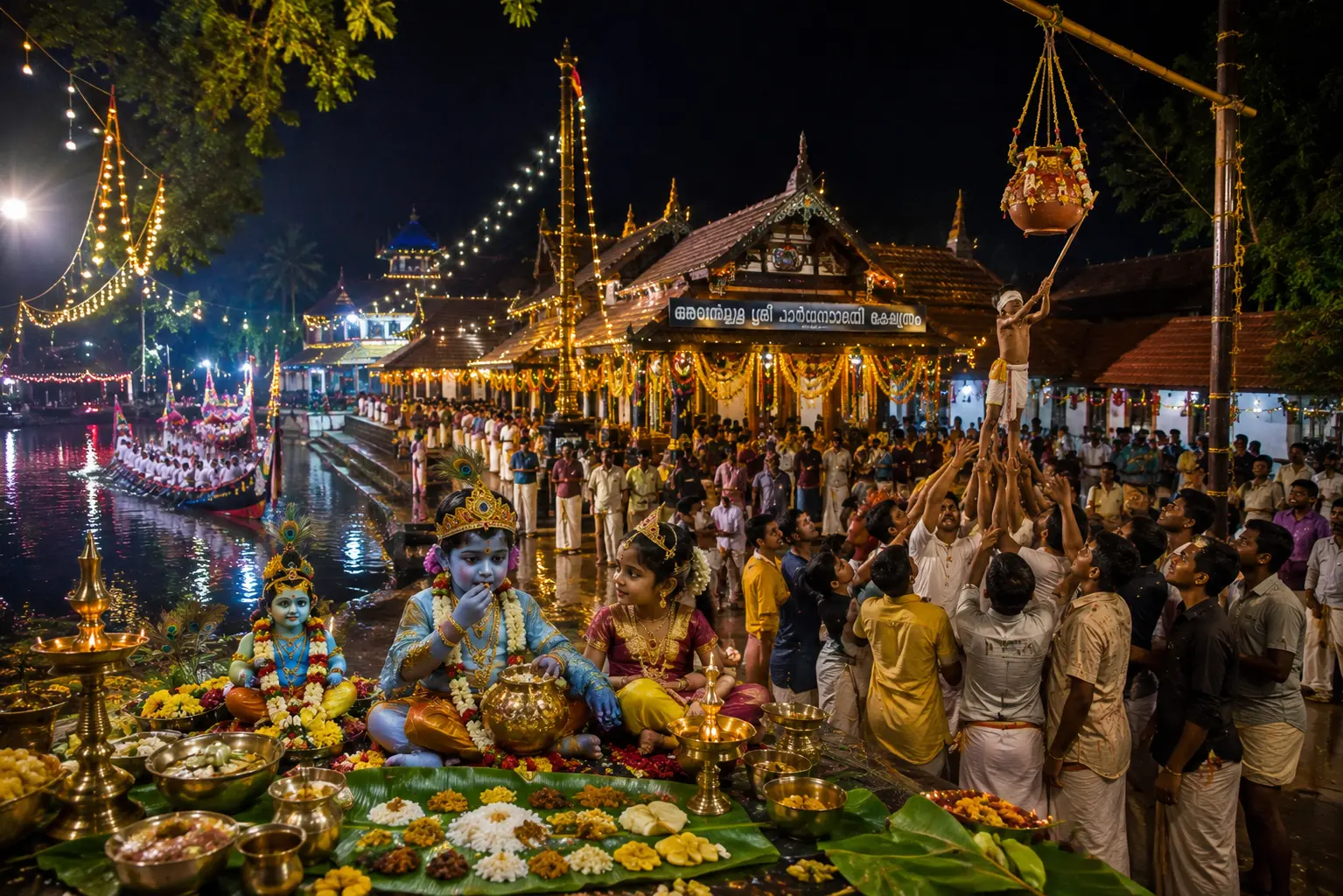
In Kerala, Krishna Janmashtami is widely known as Ashtami Rohini or Sri Krishna Jayanthi.
Homes and temples are decorated, children may dress as little Krishna and devotees participate in prayers and cultural programmes.
One particularly interesting tradition is Aranmula Valla Sadya, a grand ceremonial feast connected with the Aranmula Sree Parthasarathy Temple and its traditional boat culture.
Another tradition, Uriyadi, involves breaking a hanging earthen pot and is associated with Krishna’s playful childhood and his love for butter and curd.
South India — Tiny Krishna Footprints
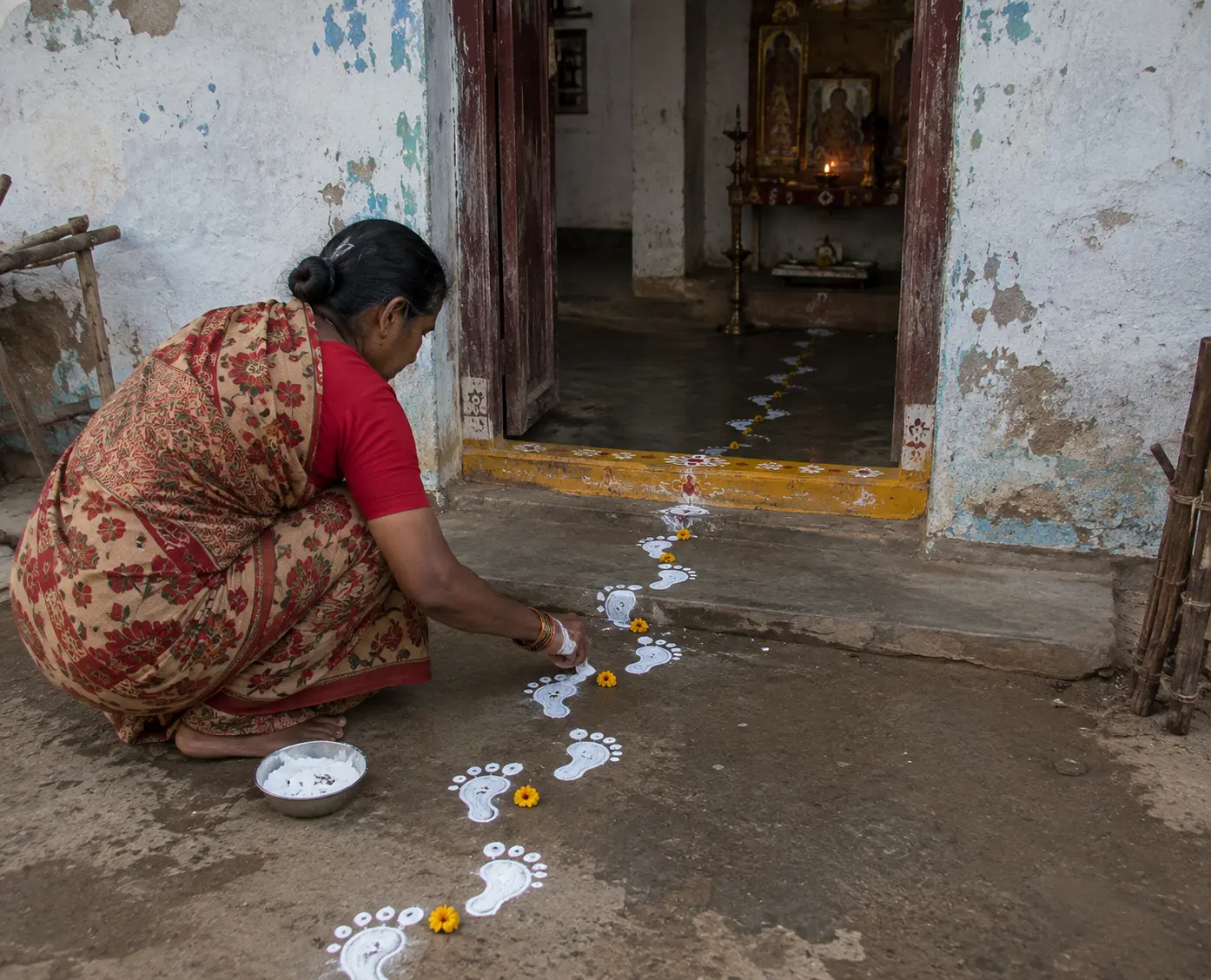
In several South Indian traditions, Krishna Janmashtami is celebrated as Gokulashtami or Sri Krishna Jayanthi.
One of the most charming customs is drawing tiny Krishna footprints from the entrance of the house towards the puja room.
The footprints symbolically represent baby Krishna entering the home.
Families may also prepare traditional sweets, savoury dishes and other offerings for the celebration.
Manipur — Krishna Through Dance
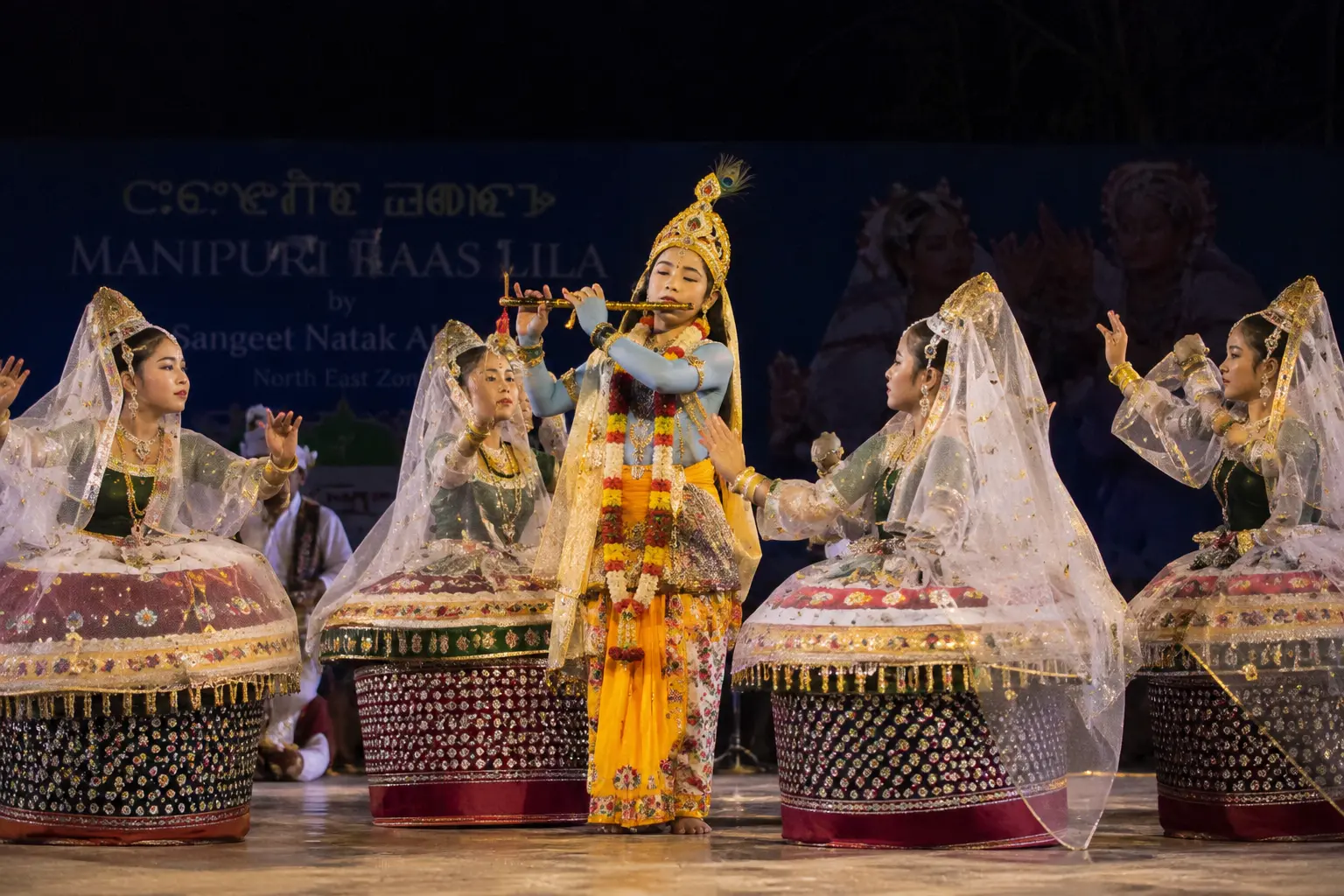
Krishna’s stories have a strong connection with the performing arts of Manipur.
The traditional Raas Leela presents stories of Krishna, Radha and the gopis through dance, music, costumes and devotional storytelling.
It shows how Janmashtami-related traditions extend beyond temple rituals into India’s rich classical and folk culture.
Janmashtami Food & Chhappan Bhog
Food is an important part of Krishna worship.
Common offerings include:
- Makhan-mishri
- Milk and dairy preparations
- Fruits
- Sweets
- Homemade prasad
- Various vegetarian dishes
Chhappan Bhog, meaning an offering of 56 preparations, is also associated with Krishna devotion in many traditions.
The exact dishes differ from one region and family to another.
Janmashtami Rituals at Home
A simple Janmashtami celebration can include:
- Clean and decorate the puja area.
- Place a Krishna or Laddu Gopal idol.
- Decorate a small cradle or jhula.
- Prepare flowers, diyas and rangoli.
- Observe your family’s fasting tradition.
- Offer makhan-mishri, fruits and sweets.
- Sing Krishna bhajans.
- Perform the midnight puja and aarti.
- Place Bal Krishna in the decorated cradle.
- Break the fast according to the appropriate tradition.
Janmashtami Fashion: What to Wear?
Since Janmashtami is a colourful Indian festival, you can also bring a festive fashion touch to the celebration.
For women, beautiful options include:
- Yellow or mustard saree
- Peacock-blue saree
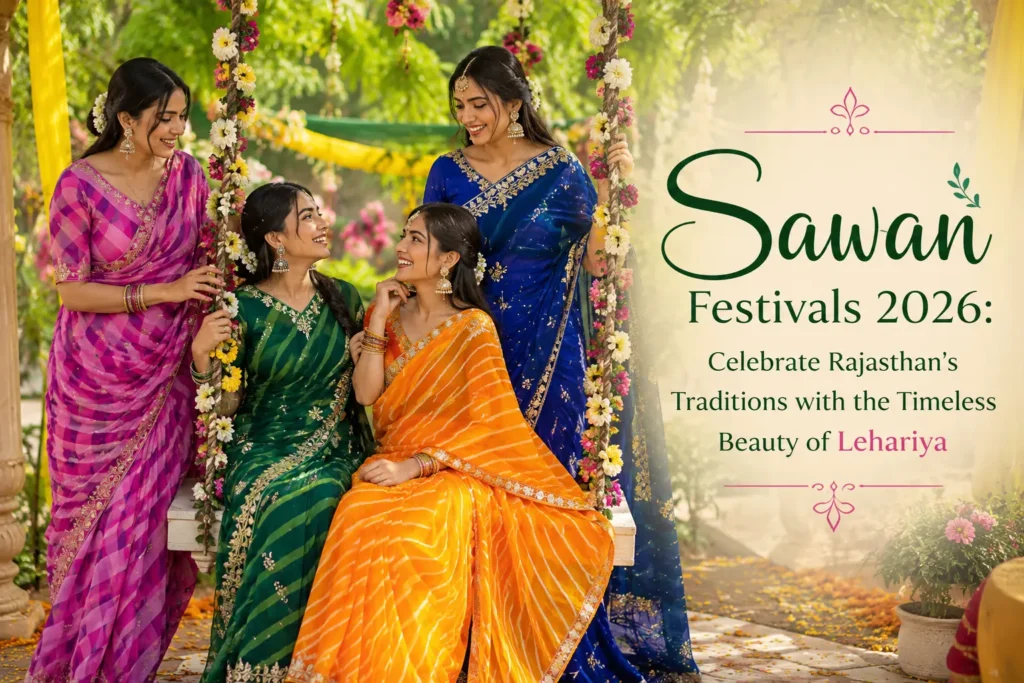
- Leheriya saree
- Blue-and-gold ethnic suit
- Printed cotton saree
- Yellow kurta set
For jewellery, try jhumkas, pearl jewellery, peacock-inspired earrings or blue-stone accessories.
A combination of yellow, royal blue, peacock green and gold can create a beautiful Krishna-inspired festive look without looking like a costume.
What Makes Janmashtami Unique?
Janmashtami brings together many different aspects of Indian culture:
Mythology through Krishna’s birth story
Devotion through midnight prayers and bhajans
Food through prasad and Chhappan Bhog
Dance through Raas Leela and Krishna Leela
Community through Dahi Handi
Art through temple decorations and Jhankis
Family traditions through home puja and Krishna footprints
The rituals may change from one state to another, but the central feeling remains the same — celebrating the arrival of Lord Krishna with faith, happiness and togetherness.
7 Things That Make Janmashtami Different from Other Hindu Festivals
1. The celebration reaches its emotional peak at midnight
Instead of beginning the main celebration in the morning, devotees often wait for the symbolic birth time.
2. A child’s playful side becomes part of religious culture
Butter stealing, pot breaking and childhood stories are celebrated with joy rather than solemnity.
3. One festival has many regional identities
Janmashtami, Gokulashtami, Ashtami Rohini and Sri Krishna Jayanthi are among the names used in different regions.
4. Food becomes part of devotion
Makhan-mishri, sweets, fruits and elaborate bhog offerings are important parts of many celebrations.
5. Dance becomes storytelling
Raas Leela and Krishna Leela transform stories into performing arts.
6. Children become part of the celebration
Krishna costumes, tiny footprints and decorated cradles make the festival especially popular with families.
7. The celebration continues beyond one night
In many places, Dahi Handi and related festivities continue into the following day.
Janmashtami and the Symbolism of the Flute
The flute is one of Krishna’s most recognisable symbols.
Unlike a weapon, the flute represents attraction, music and surrender.
Its empty structure is often interpreted spiritually: because it is hollow, it can produce music when Krishna plays it.
This has given the flute a powerful symbolic place in Krishna art, jewellery, home décor and fashion.
Why Is the Peacock Feather Associated with Krishna?
The peacock feather is another iconic part of Krishna’s visual identity.
Krishna is frequently depicted wearing a peacock feather in his crown.
The combination of the flute, peacock feather and yellow garments has become one of the most instantly recognisable representations of Krishna.
This visual symbolism has also influenced Indian festive fashion.
Final Thoughts
Krishna Janmashtami is much more than a single midnight celebration. It is a festival that takes different forms across India while keeping the story of Krishna at its heart.
From Mathura’s midnight birth celebration and Maharashtra’s Dahi Handi to Kerala’s Ashtami Rohini, South India’s tiny Krishna footprints and Manipur’s Raas Leela, the festival reflects the incredible cultural diversity of India.
On September 4, 2026, families and devotees once again come together to welcome Bal Krishna with prayers, music, food and festive joy.
Happy Krishna Janmashtami to All of You
May Lord Krishna fill your life with love, peace, happiness, and countless blessings.
Explore more Indian festival traditions, celebration guides and festive fashion inspiration on our AttireWithEvara Blog.
Stay Connected with us for more updates, cultural stories, and ethnic fashion inspiration
Follow us on: